Japanese Pottery & Craft Traditions.
A culture shaped by clay
Japanese pottery is one of the country’s oldest and most enduring art forms, with origins dating back over 10,000 years.
From early unglazed earthenware to refined porcelain, the craft has evolved across centuries, shaped by geography, materials, and everyday life.
Across Japan, pottery developed not as a single tradition, but as a network of regional practices — each defined by its clay, firing methods, and aesthetic philosophy. Even today, more than fifty pottery towns continue these distinct traditions, producing ceramics that reflect both heritage and place.
At the heart of Japanese ceramics is a quiet balance between form and function, where even the simplest object carries intention, character, and presence.
Utsuwa: objects for living
In Japan, the word utsuwa (器) refers to vessels — but its meaning goes beyond simple utility.
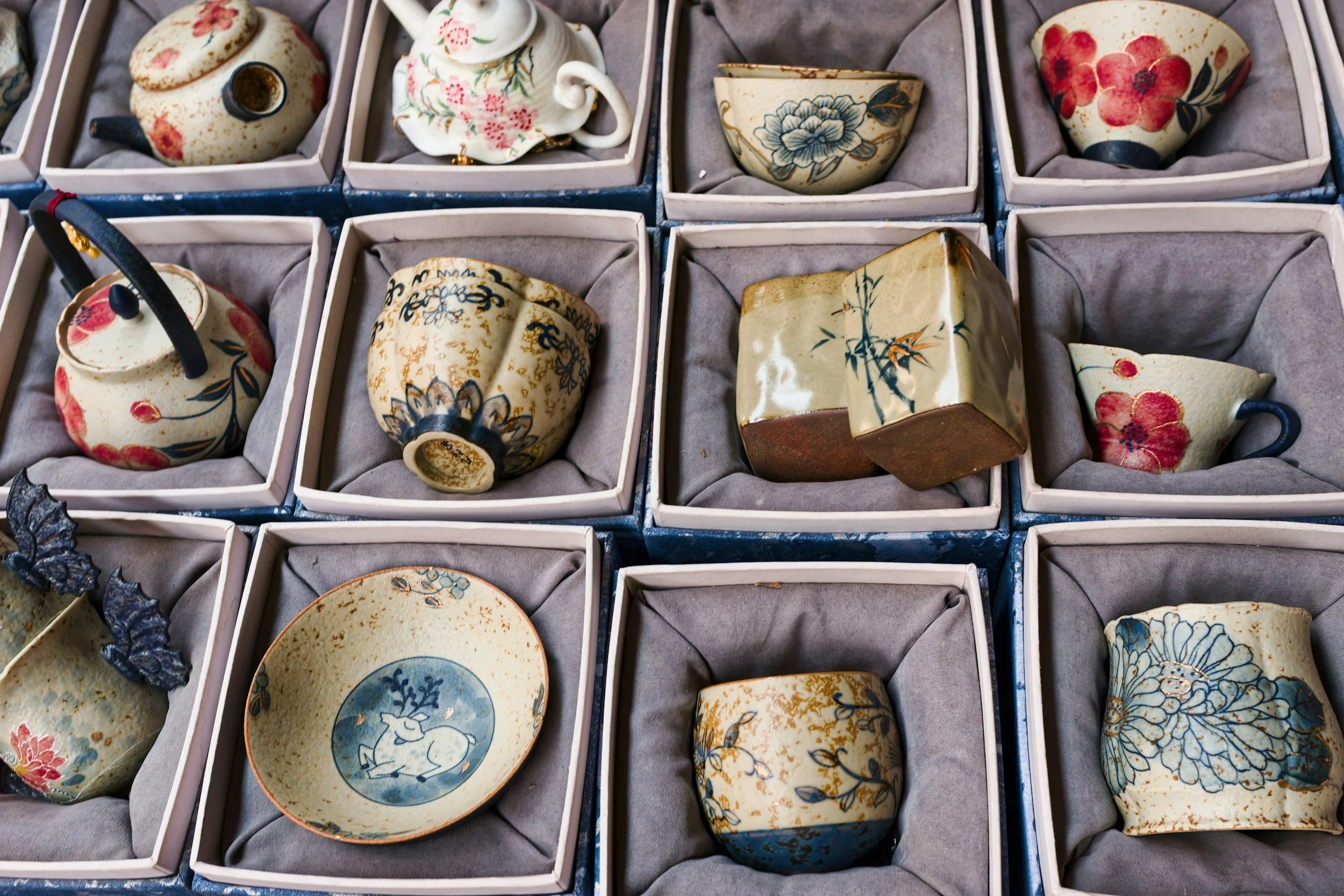
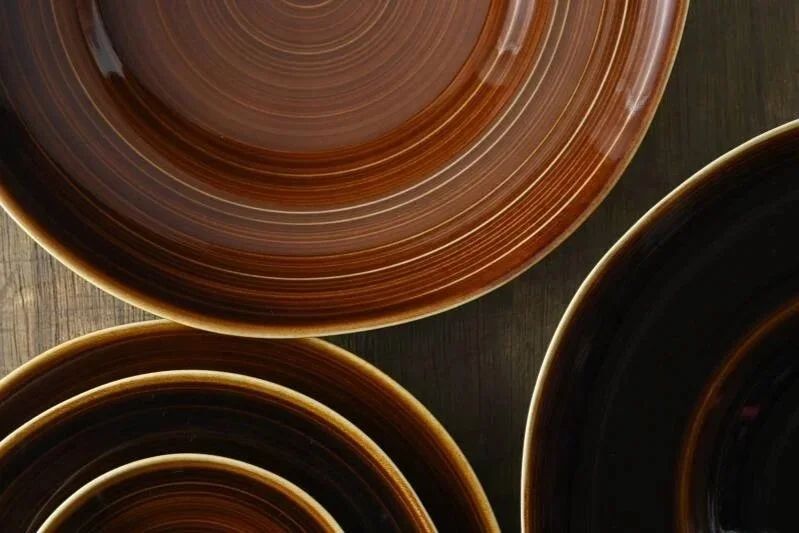
Utsuwa encompasses tableware, ceramics, and everyday objects that hold food, tea, or flowers, while also shaping the experience of using them. It reflects a philosophy where function and beauty coexist, and where even ordinary objects are treated with care and appreciation.
Rather than being purely decorative or purely functional, utsuwa are objects to be lived with — used, noticed, and slowly understood over time.
Yaki: the art of making
Many Japanese ceramics are named with the suffix-yaki (焼き), meaning “fired” or “to bake.”
In this context, yaki refers to the process of firing clay in a kiln — the transformative moment where raw material becomes a finished object. The term is also used to distinguish regional ceramic traditions, such as Mino-yaki, Hasami-yaki, or Arita-yaki.
Each yaki carries its own history, shaped by local materials, techniques, and cultural influence.
Regional traditions
Across Japan, pottery is deeply rooted in place.
There are said to be more than fifty pottery towns throughout the country, each with its own distinct materials, techniques, and aesthetic language.
Among them are the Six Ancient Kilns of Japan — Seto, Tokoname, Shigaraki, Bizen, Tamba, and Echizen — regions that have sustained ceramic production for centuries and continue to shape the foundations of Japanese craft today.
Within this wider landscape, traditions such as Mino ware, Hasami ware, and the porcelain of Saga Prefecture represent just a small part of a much broader ceramic culture — one that continues to evolve while remaining closely tied to its origins.
Mino Ware (美濃焼)
Produced in the Gifu region, Mino ware has over 1,300 years of history and is today the largest pottery production area in Japan.
It is known for its diversity — from rustic, textured forms to refined contemporary designs — often highlighting the natural qualities of clay. Mino pottery reflects a balance between tradition and modern interpretation, making it one of the most widely used styles in everyday life.
Hasami Ware (波佐見焼)
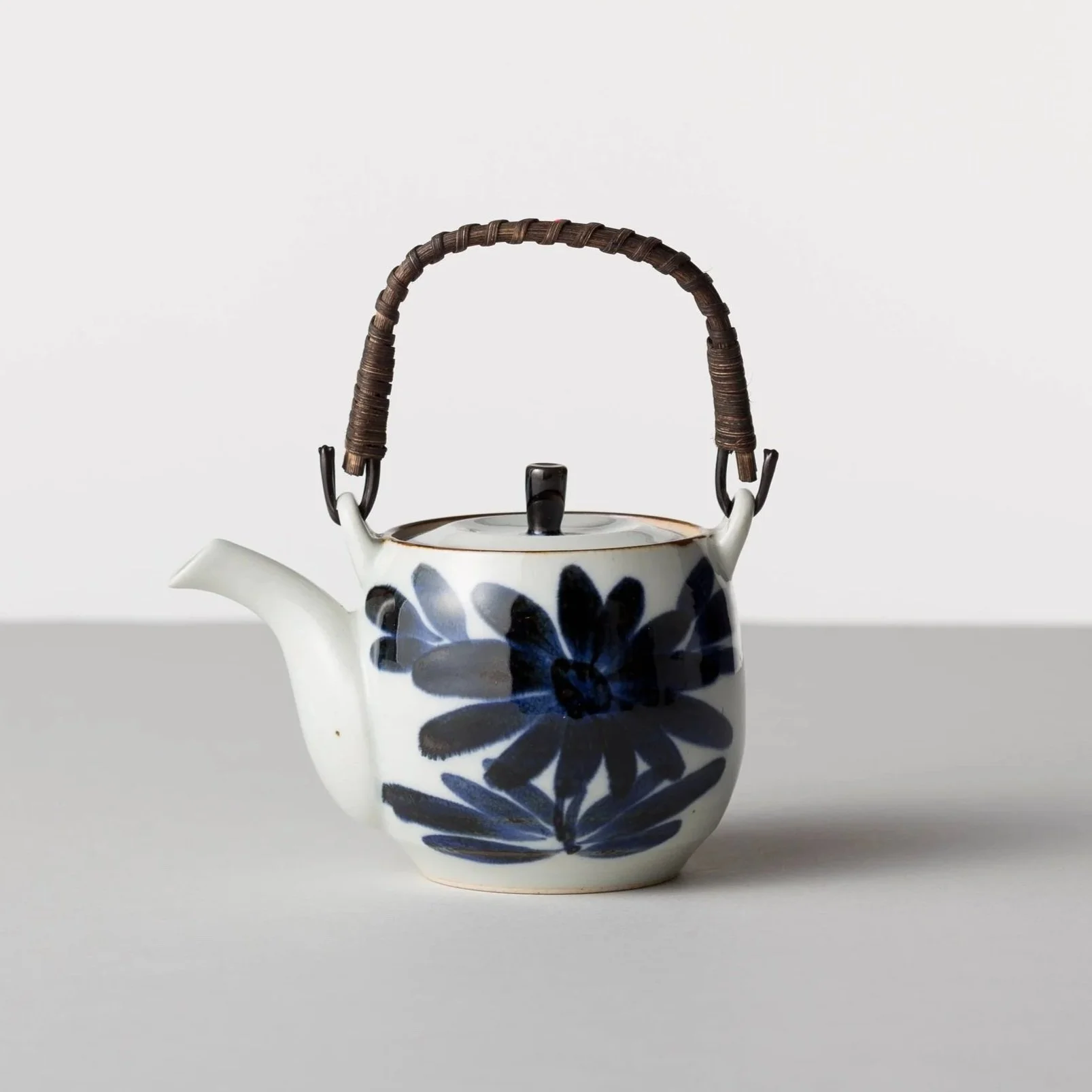
Originating in Nagasaki and refined over more than 400 years, Hasami ware is known for its clean white porcelain and delicate blue decoration.
Traditionally created as practical tableware, Hasami pieces are valued for their simplicity, durability, and versatility. Today, they are often reinterpreted through modern design — maintaining a quiet elegance while fitting seamlessly into contemporary living.
Saga Ware (Arita & Imari)
The Saga region, including Arita and Imari, is the birthplace of Japanese porcelain, following the discovery of kaolin in the early 17th century.
Arita ware is known for its fine, white porcelain and detailed painted designs, often featuring cobalt blue or vibrant colours. Imari refers both to the local style and to the historic port from which these ceramics were exported to the world.
These works reflect a more refined and decorative tradition, balancing craftsmanship with artistic expression.
A landscape of traditions